
**Litha: The Summer Solstice**
“Now on this longest day, light triumphs, and yet begins the decline into the dark. The Sun King grown embraces the Queen of Summer in the love that is death because it is so complete that all dissolves into the single song of ecstasy that moves the worlds. So the Lord of Light dies to Himself, and sets sail across the dark seas of time, searching for the isle of light that is rebirth.”
— The Spiral Dance (© 1979, by Starhawk, Harper & Row)
The Wheel of the Year is turning once again.
Litha, also known as the Summer Solstice or Midsummer, takes place around June 21 st each year in the Northern Hemisphere. It is a time of celebration, as the flowers have usually all blossomed, the lilacs are in bloom, and the songbirds delight in the warmth of the sun.
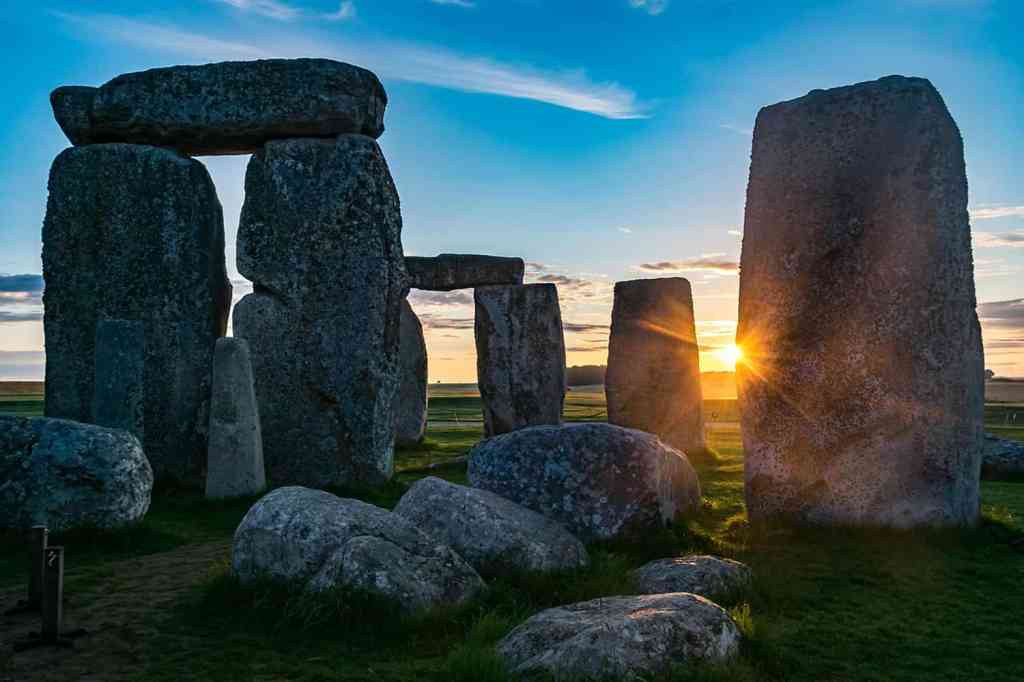
Since perhaps the dawn of Humanity, all peoples have celebrated the Summer Solstice in one form or another, including ancient Indigenous, Celts, Saxons, Norse, Germans, Russians, Greeks, Romans, Chinese, Egyptians, Jews, and Indians, among others. There are magnificent monuments built all over the world, including Stonehenge and the Tallaght Hills, the Essene Monastery, and the Osireion Temple at Abydos, where the touch of the sun’s first rays aligns or reflects perfectly on the Solstice, as though these constructions were divinely inspired.
Whether honouring Sol (Sunna), Baldr, Thor, Epona, Ra, Athena, Apollo, Juno (Hera), or
Brigantia, the ancients associated many Solar Gods and Goddesses with the longest day of the year. It is a contrast to the longest night of the year in December, though both are equally important to the seasons of life.
The Summer Solstice was and still is a fire festival. The ancient Welsh, Irish and Scots would build large bonfires and dance around them, the children rolling fire wheels down the hills joyously. The Vikings held their annual Assembly (the “Thing”) and made important decisions at this time, and Russians would gather to bathe on the morning of Litha, called “Kupalo.”
In modern times, Druids and other Pagans will travel from all over the world to gather at
Stonehenge, perhaps echoing traditions from our ancestors of long ago.
Many modern Witches and Pagans will hold all-night vigils then be up at sunrise to greet the sun, make flower wreaths or crowns, perform fire-jumping, create sun wheels, or go foraging for herbs and plants.
It is not strictly a fire festival, however; many cultures, such as in Russia and Portugal, honour the day with water celebrations, and while the Maypole is popularly associated with Beltane, in Sweden, it belongs to the Summer Solstice. Some more examples of modern traditions include communal feasts for Heathens and Asatru; others might also collect rainwater around the Solstice, praying to Thor for cleansing and courage, or leave offerings to the landvættir (spirits of the land), Sol, and Freyr.
It is a beautiful time, a pause before autumn and shadow work. A time to dream, to sing, to dance, to craft, to feast and delight in all the glories of Gaia.
Whichever traditions you may choose to participate in this year, may you be blessed by the Gods and Goddesses of the Sun, and delight in its life-giving power on Litha and all summer long.
— R.H. Winters
Sources:
Llewellyn’s Sabbat Essentials: Midsummer (© 2015, by Deborah Blake, Llewellyn Publications)
“History of Summer Solstice Traditions”
(https://www.nationaltrust.org.uk/discover/history/history-of-summer-solstice-traditions)
“Norse Pagan Midsummer: Summer Solstice Rituals and Traditions”
(https://timenomads.com/norse-pagan-midsummer-traditions/)

