**Lughnasadh: The Harvest Marriage**
“Lughnasa means ‘the marriage of Lugh.’ There is a tremendous romantic component to the celebration. Lugh the sun and the Earth Mother renew their wedding vows annually during the full moon in August and invite all to gather and revel with them. Lughnasa celebrates the consummation of their sacred relationship. It precedes the spring festival of Beltane, which symbolizes the birth of the bright half of the Celtic year, by exactly nine months. It’s not an affectation to say that this is the day the solar deity weds the Earth.”
— The Element Encyclopedia of Witchcraft: The Complete A-Z for the Entire Magical World, by Judika Illes
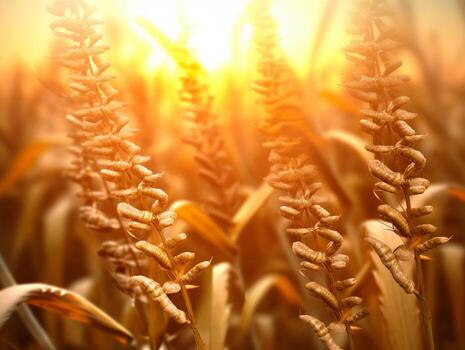
And so we come to the second last turn of the Wheel of the Year, a celebration of the harvest, of the gifts of summer, and the marriage of the Sun God to the Earth Goddess. It is a languid, beautiful time, as the air is still heavy with summer’s heat and the last of the late-blooming flowers are swaying in the breeze.
Called Lughnasadh (Bridal of Lugh) in Ireland or Lammas in England, the harvest is traditionally celebrated on August 1 st or 5 th , depending on the region. The King of the Tuatha Dé Danann and ancient Irish Sun God Lugh has a ceremonial “marriage” to a Goddess of Sovereignty, often the Earth Chthonic Winter Goddess, Buí, Who is sometimes considered an aspect of the Goddess Cailleach. Another Goddess that Lugh is said to have married is Echtach, the daughter of the Dagda, or Buí ‘s sister, the Sovereignty Goddess Nás.
The festival also honours Lugh’s foster mother Tailtiu, the Earth Goddess Who sacrificed Her life to clear the forests of Brega Plain in Ireland, so the people might plant crops (Book of Invasions), and Danu, the Mother Goddess of ancient Éire.
Lughnasadh/Lammas was not only honoured in the UK and Ireland; it is one of the four high holy days of many ancient European cultures, and several traditions associate it with the Eleusinian Mysteries of Kore/Persephone, Demeter, and Hekate, or with the Descent of Innana.
In North America, many First Nations hold festivities for the harvest, such as the Green Corn Ceremony of the Haudenosaunee, the Manoomin Harvest (Wild Rice Harvest) of the Great Lakes tribes including the Ojibwe, and the harvesting of sweetgrass and other sacred medicines. The Tsuut’ina of Treaty 7 Territory here in Alberta traditionally call August Jījá dīnít’ásí (Berry Picking Month), and gather chokecherries, saskatoon berries, and raspberries, among other celebrations.
Many Neo-Pagans and Eclectic Witches make offerings to the Norse God of Agriculture Freyr, and, since Lughnasadh is also a memorial to sacrifice, will honour All-Father Óðinn (Who gave His eye for wisdom) and Osiris, Who was killed by His jealous brother Seth and resurrected by His wife Isis. The sacrifices of the Gods and Goddesses are associated with grains and fertility, thus connecting them to Lughnasadh.
Modern rituals for Lughnasadh include weaving corn dollies, making grain altars, baking bread with sigils and spirals, and leaving offerings of cornbread, grain, flowers, and crystals to the Fae or spirits of the land.
However you choose to celebrate, may the glow of the late summer sun, the sweetness of the fruits and grains, and the romance of the old Gods and Goddesses bring blessings to you and yours on Lughnasadh, and for the rest of the Pagan year.
— R.H. Winters
Sources:
Llewellyn’s Sabbat Essentials – Lughnasadh: Rituals, Recipes, & Lore for Lammas (©2015 by
Melanie Marquis, Llewellyn Publications)
Lughnasadh, Lammastide And Sacrificed Gods
Celebrating Lughnasa: A Vision of Leadership
Indigenous North Americans & “Harvest”
 Alberta Witches Association